
Creating Impactful Splash Art That Sells Your Game

Sonderflex Studio - In today’s hyper-competitive game market, your visuals often speak long before your gameplay does. Whether you're an indie developer trying to attract backers or a mid-sized publisher preparing for a product launch, few visual assets carry as much weight as splash art. Splash art is more than just promotional material, it’s the image that shapes how audiences perceive your game. It becomes the face of your brand on digital storefronts, Kickstarter banners, posters, and convention booths. When done right, it doesn't just grab attention, it drives emotional investment and ultimately, sales.
This article explores what makes splash art impactful and how you can leverage this powerful visual tool to sell your game effectively. We will cover design fundamentals, narrative value, branding considerations, and collaborative strategies to help you craft splash art that not only looks impressive but also performs as a business asset.

Understanding the Role of Splash Art in Game Marketing
Splash art serves as a visual gateway into your game’s world. Unlike gameplay footage or UI mockups, which are often bound by technical constraints, splash art allows for complete visual freedom. Its purpose is to evoke feeling and imagination, to suggest the depth of your world, and to frame a sense of tone that invites the viewer into the experience you're offering.
In tabletop and card games, splash art often appears on box covers, campaign headers, and promotional material. In video games, it's frequently used as the hero image in app stores or Steam listings. In both contexts, it must do three things exceptionally well: establish mood, convey identity, and create desire. If your splash art fails to achieve one of these, your audience might not look twice.
Selling Through Emotion and Narrative

The most effective splash art goes beyond aesthetics, it tells a story. Even in a single frame, a strong image should capture a moment of tension, triumph, mystery, or conflict. This moment doesn’t need to be from a literal scene in your game, but it should reflect the emotional beats your audience will experience while playing.
Think of splash art as a visual promise. If your game is a high-stakes fantasy war game, your splash art might feature clashing armies beneath storm-filled skies. If your card game is built around gothic horror, perhaps your splash art focuses on a lone figure navigating a haunted manor. The goal is to instantly spark curiosity and emotional resonance. This narrative hint gives players a reason to investigate further.
Successful splash art often borrows cinematic techniques: dramatic lighting, dynamic composition, and careful character posing. These tools draw the eye and build immersion in the moment. By focusing on a single, emotionally charged scene, you allow your art to speak in a language that transcends words and gameplay explanations.
The Impact of Style Consistency

Visual consistency is critical across all your game’s assets, and splash art is no exception. It should be seen as a cornerstone of your game’s identity, working in tandem with card illustrations, character portraits, and UI design to reinforce your brand's voice. Mismatched art styles, even when technically well-executed, create confusion and diminish the perception of polish.
For example, if your game’s cards feature gritty inked illustrations with heavy shadows, your splash art should lean into the same stylistic cues. Conversely, if your game has a light, whimsical tone with soft colors and minimalist detail, then your splash art should echo those choices. When a viewer transitions from your splash image to your in-game visuals or product page, the experience should feel cohesive and intentional.
This consistency builds trust with your audience. It tells them that you know your vision, that you’ve put thought into every detail, and that the experience you’re offering is carefully crafted. For developers aiming to sell through crowdfunding or pre-orders, this level of visual clarity can have a direct impact on conversion rates.
Composition: Guiding the Viewer’s Eye

Great splash art uses composition strategically to focus attention and convey meaning. In most cases, your image should have a clear focal point, usually a central character, dramatic action, or symbolic object. This focus allows viewers to immediately understand the subject and emotional tone of the piece.
Leading lines, lighting contrast, and foreground elements all help guide the eye to this central element. For example, a character might be lit from behind to create a halo effect, or the environment might draw the viewer’s eye toward a looming castle or enemy. These techniques aren’t just artistic flourishes; they are visual storytelling tools that help the viewer make sense of the image quickly.
Another key compositional consideration is readability at different scales. Splash art may be viewed full-screen on a monitor or in a thumbnail on a mobile device. The best splash illustrations maintain clarity and impact across sizes. If your focal point gets lost in cluttered background details, or if your color palette lacks contrast, the image can quickly become ineffective, especially in competitive marketplaces.
Character Presence and Environmental Context
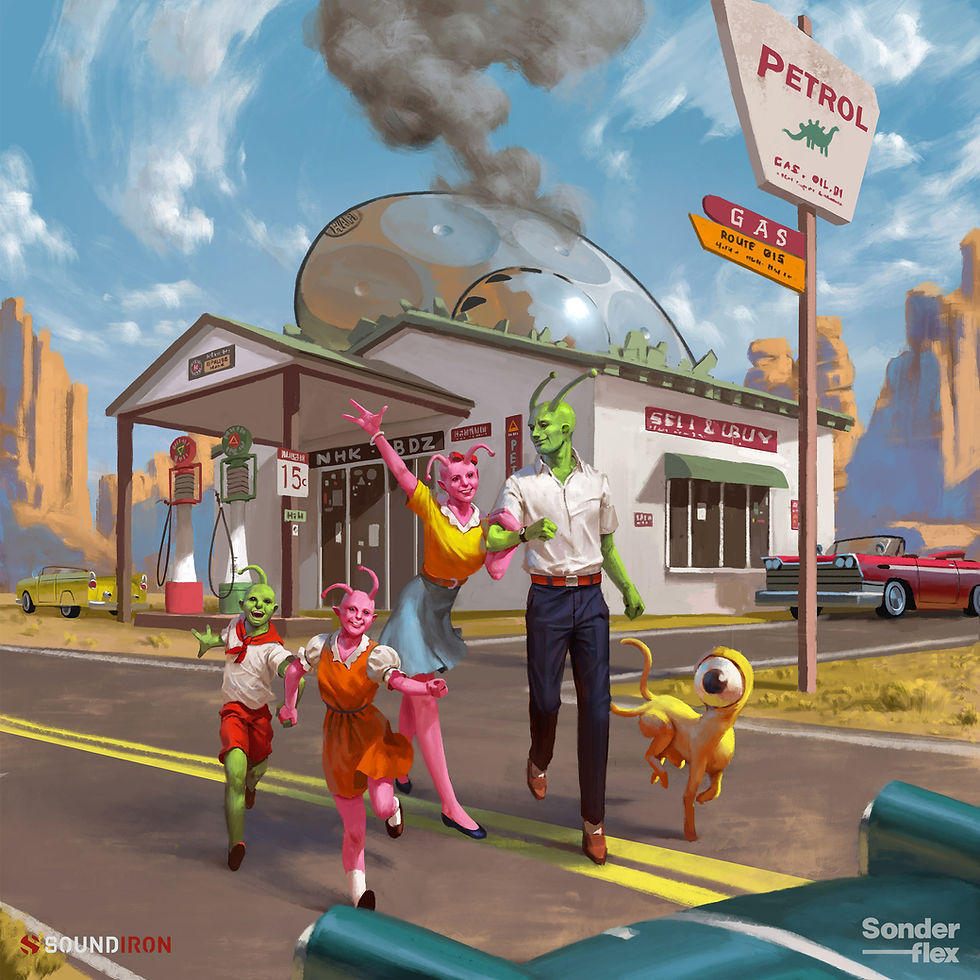
Characters in splash art often act as avatars for the viewer. When done well, character illustrations in splash art help the audience identify emotionally with the game’s world and stakes. Expressions, gestures, and costume design all contribute to the sense of who the characters are and what kind of story they inhabit.
However, characters alone are not enough. The environment around them plays an equally important role. Whether it's a battlefield, a city in flames, or a peaceful tavern, the setting frames the narrative and deepens the viewer’s sense of immersion. Even in more abstract games like card battlers, placing the subject in a context magical vortexes, enchanted forests, celestial temples, adds storytelling depth that transforms visual beauty into emotional impact.
Striking the right balance between character and environment is one of the most challenging aspects of splash art, and often where less experienced art teams fall short. Too much environment can drown the subject. Too much focus on characters with no background creates visual emptiness. A successful splash piece harmonizes both.
Color Theory and Emotional Tone

Color is one of the most immediate and visceral elements of splash art. It sets emotional tone long before the viewer consciously registers the subject matter. Warm tones like red, orange, and yellow create feelings of urgency, danger, or energy. Cool tones like blue and green offer calm, mystery, or melancholy. Contrasts between light and dark, known as value contrast, heighten drama and direct attention.
Color palettes should also reflect the core theme of your game. A game set in a toxic wasteland may lean into sickly greens and browns. A magical exploration title might use deep purples and glowing blues. By aligning your color choices with your narrative and mechanics, you create a visual identity that strengthens immersion and brand memory.
It’s also important to test how colors render across different displays. What looks vibrant on a calibrated monitor may appear dull on a phone. Testing and adjusting your color grading for different platforms ensures that your splash art retains its intended mood across all viewing experiences.
The Business of Splash Art

While splash art is a creative endeavor, it’s also a business investment. It serves a functional role in marketing, and its quality can directly influence your game’s performance in the marketplace. Whether you're launching a crowdfunding campaign, pitching to publishers, or preparing your game’s Steam listing, this one image might be your single most viewed asset.
Because of this, splash art deserves a deliberate creative process and a professional execution pipeline. That means allocating sufficient budget, working with experienced illustrators, and ensuring you allow time for feedback and revision. Rushing the splash art phase or treating it as an afterthought is a mistake that often results in missed opportunities for visibility and engagement.
It also helps to work with art studios that understand not just how to make an image look good, but how to make it sell. At Sonderflex Studio, our approach to splash art involves close collaboration with game creators to understand their vision, audience, and product positioning. We help define focal points, refine narrative beats, and ensure that the final illustration is not only beautiful, but optimized for the platforms where it matters most.
Conclusion

Creating impactful splash art is about much more than technical skill or visual flair. It’s about crafting an image that invites the viewer into your game’s world, evokes a specific emotional response, and signals the level of quality they can expect from the full experience. It must be aligned with your brand identity, narratively rich, compositionally effective, and commercially strategic.
When done right, splash art can be your most powerful marketing tool, serving as a visual handshake between your game and the audience. It sets the stage for everything that follows: clicks, conversions, purchases, and fan engagement. For indie developers and publishers alike, investing in strong splash art is not a luxury. It’s a necessity in building a game that not only gets noticed, but gets remembered.
If you’re preparing to launch a card game, board game, or digital project and want visuals that truly represent your game’s potential, Sonderflex Studio is here to help. With a proven track record in producing illustration for games that stand out in crowded markets, we specialize in splash art that doesn't just look great, it sells.
Give Your Game Remastering Project a Visual Quality Upgrade with Sonderflex Studio's Expertise

Sonderflex Studio offers specialist visual design skills that are not only captivating but also effective. Game Remastering requires expertise able to deliver the same feeling and message as when the game was first played, yet looking twice as appealing.
Sonderflex Studio's visual design also considers the creative process with in-depth research into which remastered game values can and cannot be changed. Drop Sonderflex Studio a hello, and let's discuss further!


